

Key Takeaways
- Most people searching “ophthalmologist Ottawa” actually need an optometrist as their first point of contact, not a surgical specialist.
- Optometrists in Ottawa provide comprehensive eye care, prescribe glasses and contact lenses, and diagnose and manage the majority of eye conditions.
- Ophthalmologists are medical doctors who specialize in eye surgery and complex eye diseases, and are typically seen through a referral from an optometrist.
- Your optometrist coordinates referrals to local ophthalmologists and eye institutes in Ottawa when surgery or advanced treatment is needed.
- Rideau Optometric is a convenient first step for routine and urgent eye concerns at both the Rideau Centre and St. Laurent Centre locations.
Confused About Which Eye Doctor to Call in Ottawa?
You notice blurry vision, red eyes, new floaters, or trouble reading street signs. You search “eye doctor Ottawa” and suddenly you’re not sure who to call: an optometrist, an ophthalmologist, or an optician.
You are not alone. Ottawa has several types of eye care professionals, and each one plays a different role in protecting your eye health and vision health. Our guide explains the difference between optometrist and ophthalmologist, outlines when to see each type of eye doctor, and clarifies where most people should start.
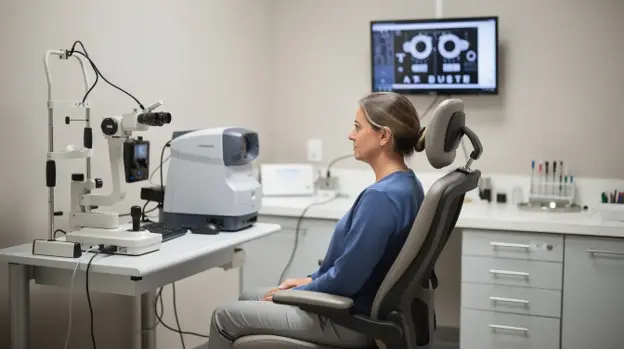
The Three Eye Care Professionals
In Ottawa, there are three main types of eye care professionals: optometrists, ophthalmologists, and opticians. Each plays a distinct role, and knowing the difference helps you get the right care at the right time — without unnecessary delays or wrong turns.
For most patients, the pathway is simple:
- Visit an optometrist first.
- Get referred to an ophthalmologist if eye surgery or advanced care is needed.
- See an optician to fill your glasses or contact lens prescription.
Optometrist
An optometrist is the primary eye care provider in Ottawa for both adults and children. Optometrists hold a Doctor of Optometry (OD) degree and are licensed by the College of Optometrists of Ontario.
Optometrists perform routine and comprehensive eye exams, check your prescription, prescribe glasses and contact lenses, and assess how well your visual system is working.
They also diagnose and treat many common eye conditions, including:
- Dry eye
- Red or irritated eyes
- Eye infections
- Early cataracts
- Glaucoma monitoring
- Diabetic eye changes
- Floaters and other new symptoms
For most people searching “eye doctor Ottawa” or “ophthalmologist Ottawa,” an optometrist is the safest and fastest first step. If your condition needs ophthalmology, your optometrist will refer you.
Rideau Optometric fits exactly into this role, offering convenient appointments at both the Rideau Centre and St. Laurent Centre locations for routine exams, urgent symptoms, and ongoing eye health management.
Ophthalmologist
An ophthalmologist is a medical doctor who has completed medical school and at least 5 years of residency training in ophthalmology and eye surgery. Ophthalmologists in Ontario operate as secondary or tertiary specialists, which means most patients see them after referral from an optometrist or family physician.
Ophthalmologists diagnose and treat complex diseases and perform procedures such as:
- Cataract surgery
- Refractive lens exchange
- Retinal procedures
- Corneal transplants
- Glaucoma surgery
- Oculoplastics
- Laser eye surgery, including LASIK, PRK, and SMILE
Ophthalmology services include the investigation, treatment, and prevention of visual disorders, with an emphasis on major public health concern areas such as cataracts, diabetic eye disease, glaucoma, and retinal disease.
Using an optometrist as your first point of contact helps ensure you are referred to the right ophthalmology subspecialist for your specific condition.
Optician
An optician is a licensed professional, but is not a doctor. Opticians fabricate and dispense eyeglasses based on prescriptions written by optometrists or ophthalmologists.
Opticians help patients choose:
- Frames
- Lens materials
- Coatings
- Progressive lenses
- Certain types of contact lenses
They cannot diagnose or treat eye conditions. If you have pain, sudden vision loss, redness, flashes, or concerns about eye health, book with an optometrist or seek urgent medical care instead.
Rideau Optometric offers contact lenses, eye drops, and lens care products directly through our online shop, and can coordinate with local opticians for glasses.
What’s the Difference in Training?
Both optometrists and ophthalmologists are highly trained eye doctors. They simply serve different roles.
Optometrists typically complete an undergraduate degree followed by a 4-year Doctor of Optometry program. Their training includes eye exams, contact lenses, binocular vision, eye disease detection, pharmacology, and long-term management of many eye conditions.
Ophthalmologists attend medical school, then complete about 5 years of residency in ophthalmology, and frequently 1 or more years of fellowship subspecialty training. Their training focuses on medicine, surgery, hospital-based care, and complex cases involving the eye and visual system.
In Ontario, optometrists are regulated by the College of Optometrists of Ontario and ophthalmologists by the College of Physicians and Surgeons of Ontario, two separate regulatory bodies that ensure high professional standards in both fields.
Starting with an optometrist in Ottawa is not “settling” for basic care. It means using the right expert for most eye care needs, and entering the referral pathway to surgical care when the time comes.

When Should You See an Optometrist?
If you searched “ophthalmologist Ottawa” because something feels off with your vision, an optometrist is usually the right first call.
Optometrists can often see patients sooner than ophthalmology clinics, which matters when symptoms are worrying but not yet an emergency. A comprehensive exam helps determine whether you need treatment in clinic, monitoring, or referral.
At Rideau Optometric, comprehensive eye exams use up-to-date diagnostic technology to help catch problems early and decide whether ophthalmology care is needed.
Routine Eye Exams and Vision Changes
Adults without known eye disease should generally see an optometrist every 1 to 2 years. Children should have their first eye exam between 6 and 12 months of age, then return regularly as advised.
Book a visit if you notice:
- Blurred vision
- Difficulty reading
- Headaches
- Sudden trouble focusing
- Squinting
- Eye strain at screens
- Trouble driving at night
Most blurry vision in otherwise healthy people is caused by refractive errors such as nearsightedness, farsightedness, or astigmatism. Optometrists correct these with glasses or contact lenses.
During these same eye exams, optometrists also screen for early signs of early cataracts, glaucoma, diabetic retinopathy, and macular degeneration before symptoms become obvious.
Red, Irritated, or Painful Eyes
Many non-surgical eye problems can be diagnosed and treated by an optometrist, including:
- Dry eye
- Styes
- Conjunctivitis
- Allergic eye disease
- Mild corneal abrasions
- Contact lens irritation
Many eye infections and inflammations do not require an ophthalmologist or hospital visit. Ontario optometrists can prescribe medicated eye drops when needed and will refer if the condition is severe or sight-threatening.
If you notice redness, discharge, light sensitivity, pain, or sudden changes in vision, contact an optometrist promptly rather than waiting to see whether things improve on their own.
Monitoring Eye Conditions Over Time
Optometrists also co-manage long-term eye conditions, including early or stable glaucoma, mild cataracts, dry macular degeneration, and diabetic eye changes, often in close collaboration with ophthalmology clinics.
- Glaucoma is a leading cause of irreversible blindness worldwide, and early detection and management are crucial for preserving vision. Regular optometry visits can track eye pressure, optic nerve appearance, and visual fields.
- Diabetic eye disease can lead to vision loss if not managed properly, highlighting the importance of regular eye examinations for individuals with diabetes.
- Macular degeneration is a common eye condition that affects the central part of the retina, and its management often includes lifestyle changes and medical treatments to slow progression.
This ongoing care helps patients avoid surprises. Your optometrist can anticipate when to refer to an ophthalmologist in Ottawa for cataract surgery, retinal care, or other advanced treatment.
Children’s Eye Care and Contact Lenses
Optometrists are the first stop for children’s eye exams in Ottawa. They check for vision problems that can affect learning, reading, and development.
When needed, children with more complex visual disorders may be referred to the children’s hospital, including CHEO ophthalmology services, which see children by referral.
Optometrists also fit contact lenses for children (as well as individuals of all ages), including specialty lenses for astigmatism and myopia control when appropriate. They teach safe lens wear, hygiene, and follow-up routines to reduce complications.
For families in central and east Ottawa, establishing care with a local optometrist like Rideau Optometric makes it easier to track children’s vision year to year.
When Should You See an Ophthalmologist?
While optometrists manage most eye care needs, some situations in Ottawa do require direct ophthalmology or hospital-based care. In most non-emergency cases, your optometrist will still coordinate the referral, ensuring the ophthalmologist receives your complete test results and history.
You should see an ophthalmologist when:
- You have been referred for a specific medical condition.
- You need eye surgery.
- You have advanced or sight-threatening disease.
- You have significant eye trauma.
- You need a subspecialist, such as cornea, glaucoma, retina, or oculoplastics.
Ophthalmologists in Ottawa are involved in collaborative research and the development of superior patient eye care facilities for complex cases. Local ophthalmology teams include eye physicians, surgeons, researchers, and clinical staff dedicated to advancing care.
Eye Surgery and Advanced Procedures
If you have been told you have advanced cataracts or a serious retinal problem, you will ultimately need an ophthalmologist, and your optometrist is the most efficient route to getting there. Ophthalmologists in Ottawa perform a range of surgeries including standard cataract surgery, refractive cataract surgery that can reduce dependence on glasses, laser eye surgery (LASIK, PRK, SMILE), corneal transplants, and treatments for retinal detachment or diabetic retinal disease.
In the typical Ottawa pathway, your optometrist performs the initial assessment, discusses your options, and refers you to the right surgical centre or eye institute, so you arrive prepared, with your full exam history already in hand.

Severe or Sight-Threatening Eye Conditions
Some diseases require ongoing ophthalmologist involvement, including:
- Advanced glaucoma
- Wet macular degeneration
- Severe diabetic retinopathy
- Retinal detachment
- Complex corneal disease
- Advanced cataracts
These conditions may need injections, laser treatment, or surgery in hospital or a specialized facility.
It is important to ensure that the surgeon specializes in the specific condition being treated, as ophthalmologists often focus on areas such as cornea, glaucoma, or oculoplastics.
Optometrists frequently detect these conditions during routine exams and refer patients for urgent or semi-urgent ophthalmology care. Even after surgery or advanced treatment, many patients continue to see their optometrist for follow-up, glasses updates, contact lens adjustments, and prevention-focused eye care.
Eye Trauma and Emergencies
Some symptoms should not wait for a routine appointment.
Seek urgent care if you have:
- Chemical burns
- Penetrating injury
- Sudden severe vision loss
- Major trauma
- A curtain or shadow over vision
- Severe pain with nausea
- Sudden flashes and many new floaters
In Ottawa, severe trauma or rapidly worsening vision should prompt a visit to the nearest emergency department or hospital with on-call ophthalmologists.
For urgent but less severe issues, contacting your optometrist first is often the right move. They will triage the problem and direct you to emergency ophthalmology if needed. Having an established relationship with your optometrist before anything happens means you always know who to call.
How Does the Referral Process Work in Ottawa?
In Ottawa, most non-emergency visits to ophthalmologists happen after a written referral from an optometrist or family physician. Ophthalmologists in Ontario generally require a referral from an optometrist or family physician for medical issues, especially when OHIP coverage is involved.
The usual pathway looks like this:
- You book an optometry appointment.
- Your optometrist performs a comprehensive exam.
- If specialist care is needed, your optometrist sends a referral letter and test results.
- The ophthalmology clinic triages the referral.
Wait times for non-urgent ophthalmology appointments in Ontario can range from several weeks to several months depending on the condition and clinic capacity. Seeing your optometrist early allows problems to be detected sooner and referrals to be placed before vision is significantly affected, which can meaningfully shorten your overall time to treatment.
Rideau Optometric works with ophthalmology practices and eye institutes across Ottawa to match patients with the right subspecialist for cataract surgery, retinal care, or other complex needs.
Does OHIP Cover Optometrists and Ophthalmologists?
OHIP generally covers routine eye exams by optometrists for children under 20 and adults 65 and older, subject to current provincial policy. For adults aged 20 to 64, OHIP does not typically cover routine eye exams, but may cover medically necessary assessments when specific eye conditions are present.
Medically necessary visits to an ophthalmologist, particularly in hospital or for eye surgery, are typically covered by OHIP when referred by an optometrist or family physician. Advanced technology options and elective procedures are not covered by OHIP, and patients should request an itemized breakdown of any uninsured fees before proceeding.
For the most current information on coverage, fees, and private insurance options, contact Rideau Optometric directly. Our team can help clarify what applies to your specific situation.
Ready to Start? Book Your Eye Exam at Rideau Optometric
For most Ottawa residents, whether you have noticed a vision change, are overdue for an exam, or simply want to know whether you need a specialist, the right first step is a comprehensive eye exam with an optometrist.
You do not need to self-diagnose. You just need the right starting point.
Our optometrists at Rideau Optometric handle routine exams, glasses and contact lens prescriptions, and the majority of eye conditions, and will refer you to an ophthalmologist when surgery or advanced treatment is genuinely needed.
We have two convenient locations in Ottawa, at the Rideau Centre and St. Laurent Centre, offering comprehensive eye care for patients of all ages. Book your appointment today and get personalized advice on what your eyes actually need.
Frequently Asked Questions
Do I need a referral to see an ophthalmologist in Ontario?
In most cases, yes. A referral from an optometrist or physician is needed for OHIP to cover an ophthalmology visit. Some private laser eye surgery clinics may allow self-referrals for procedures like LASIK or refractive cataract surgery, but patients still benefit from an independent optometry assessment first. Going through an optometrist helps ensure that only those who genuinely need a surgical specialist are referred, reducing unnecessary strain on wait lists.
Is an optometrist considered an eye doctor?
Yes, absolutely. Optometrists are eye doctors who specialize in examining, diagnosing, and treating many eye conditions, as well as prescribing glasses and contact lenses. They hold a Doctor of Optometry degree and are licensed in Ontario. For most day-to-day and preventive eye care in Ottawa, an optometrist is the right professional to call, much like a family doctor is your primary contact for general health.
Can an optometrist treat eye infections and prescribe medication?
Yes. Ontario optometrists are trained and authorized to diagnose many common eye infections and inflammations, and can prescribe a range of medicated eye drops. They manage conditions such as bacterial conjunctivitis, allergic reactions, and some corneal problems. If an infection is severe or sight-threatening, they will refer you to an ophthalmologist or emergency care without delay. Contact your optometrist promptly if you notice discharge, pain, or sudden redness. Do not wait for symptoms to worsen.
How long does it usually take to get an eye appointment in Ottawa?
Many optometry clinics in Ottawa, including Rideau Optometric, can see patients for routine exams within days to a few weeks, and often reserve same-day slots for urgent concerns like sudden vision changes. Ophthalmology appointments typically involve longer wait times, particularly for non-urgent issues. This is another strong reason to establish care with a local optometrist. When a referral is eventually needed, it is placed sooner and coordinated more smoothly.
Can an optometrist manage my care after cataract surgery or laser eye surgery?
Yes, and this is actually a common arrangement in Ottawa. Optometrists regularly co-manage patients before and after cataract surgery, refractive cataract surgery, or laser eye surgery performed by ophthalmologists. The ophthalmologist typically performs the procedure, while the optometrist handles many pre-operative assessments and post-operative follow-up visits. This shared-care model makes ongoing follow-up more convenient, while ensuring patients still benefit from state-of-the-art surgical expertise when they need it.
Leave A Comment
You must be logged in to post a comment.