

Dry Eye Syndrome is a common condition that affects millions of people worldwide. It develops when the eyes do not produce enough tears or when tears evaporate too quickly. Over time, this can lead to irritation, blurred vision, and damage to the surface of the eye.
In this article, we’ll explain what Dry Eye Syndrome is, why it happens, how it’s diagnosed, and the treatment options available.
What is Dry Eye Syndrome?
Dry eye disease, often referred to as Dry Eye Syndrome, is also known medically as keratoconjunctivitis sicca (KCS) or dysfunctional tear syndrome. It occurs when there is either a lack of tear production or an imbalance in the quality of the tears.
Tears aren’t just water. They’re a carefully balanced mixture that keeps the eyes comfortable, protects against infection, and allows for clear vision. When this balance is disrupted, even simple daily activities such as reading, driving, or using digital devices can become uncomfortable.
The Two Main Types of Dry Eye
Dry eye disease is typically grouped into two main categories, and many individuals experience a combination of both:
- Evaporative dry eye, which is most commonly caused by meibomian gland dysfunction (MGD). In this type, the oily layer of the tears is reduced or poor in quality, leading to increased tear evaporation and tear instability.
- Aqueous-deficient dry eye, known also as aqueous tear deficiency, occurs when the lacrimal glands do not produce enough of the watery component of tears. This form is sometimes associated with autoimmune conditions such as Sjögren’s syndrome.
The Importance of Tears
Tears play a vital role in maintaining eye health and comfort. They help lubricate the eyes, protect against infection, and remove dust and debris from the eye’s surface. A healthy tear film is made up of three distinct layers, each with an important function that helps tears spread evenly across the eye:
- Oily Layer: The outer layer helps prevent tears from evaporating too quickly and keeps the tear film stable.
- Watery Layer: The middle layer provides moisture, oxygen, and essential nutrients to the eye.
- Mucus Layer: The inner layer helps the watery layer spread evenly across the surface of the eye.
When one or more of these layers is not working properly, the tear film becomes unstable, which can lead to the symptoms associated with Dry Eye Syndrome.
Causes of Dry Eye Syndrome
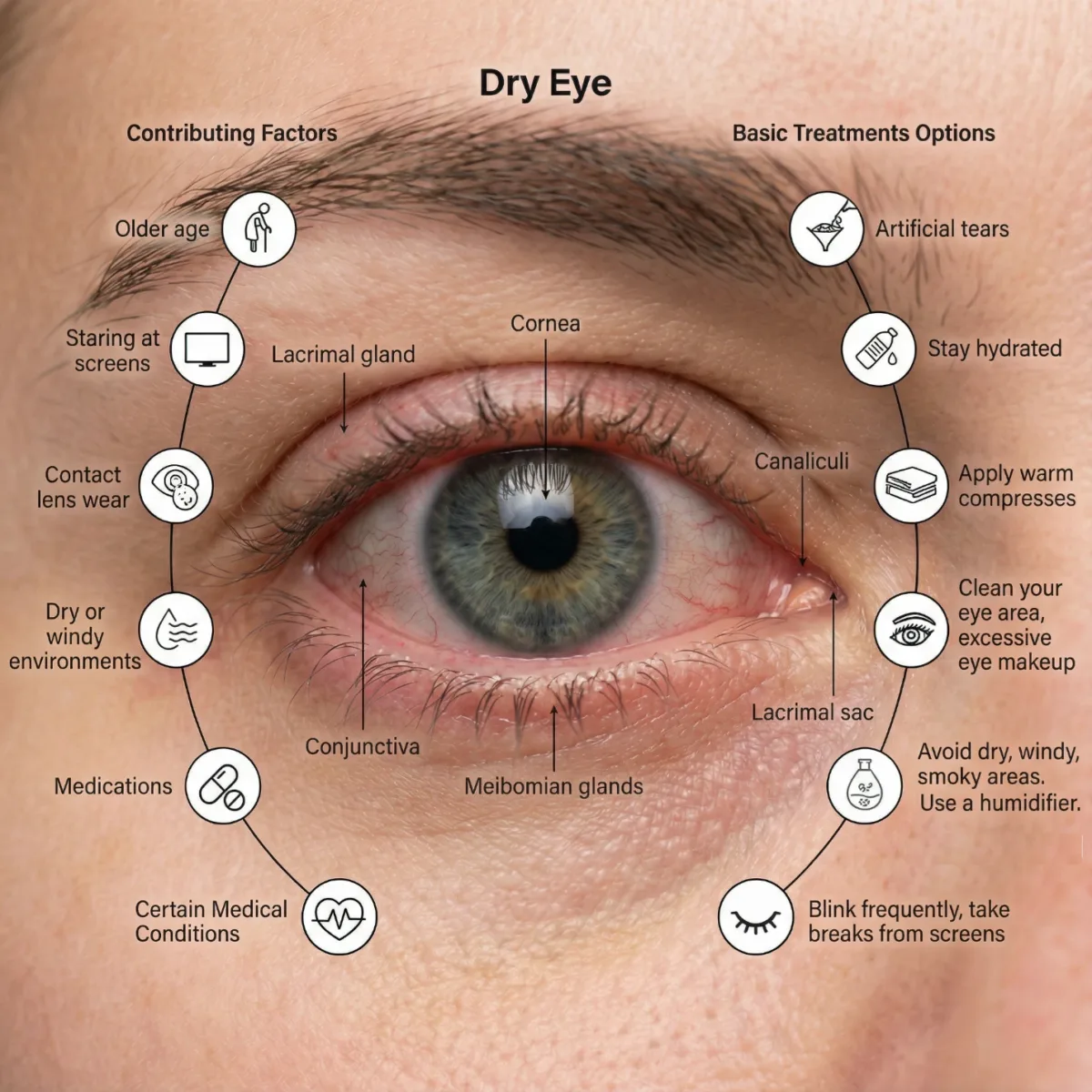
Understanding the underlying causes of Dry Eye Syndrome is an important step in managing the condition effectively. Several factors may contribute, including:
Age
As part of the natural aging process, tear production tends to decrease over time. This makes dry eye more common in older adults.
Hormonal Changes
Hormonal fluctuations, particularly during menopause, can affect tear production. This is one reason why Dry Eye Syndrome is more common in women.
Environmental Factors
Exposure to dry indoor air, wind, cigarette smoke, and extended computer screen use can worsen dry eye symptoms. When using computers, phones, or tablets, people often blink less frequently and less completely. This reduces tear distribution and contributes to increased tear evaporation. Individuals who work in air-conditioned environments or spend long hours on digital devices may be at higher risk.
Medical Conditions
Certain systemic health conditions can interfere with normal tear production. These include Sjögren’s syndrome, rheumatoid arthritis, and thyroid disease. Chronic inflammation associated with these conditions can further aggravate dry eye symptoms.
Medications
Some medications are known to contribute to Dry Eye Syndrome. Common examples include antihistamines, antidepressants, and medications used to treat high blood pressure. These medications may reduce tear production or affect tear quality.
Eyelid and Gland Dysfunction
Conditions such as blepharitis, which is inflammation of the eyelids, and meibomian gland dysfunction can disrupt the normal function of the glands responsible for producing the oily layer of tears. When these glands do not work properly, tears evaporate too quickly, leading to increased dryness.

Symptoms of Dry Eye Syndrome
Recognizing the symptoms of Dry Eye Syndrome can help individuals seek care before symptoms worsen. Common symptoms include:
Discomfort and Irritation
Many people experience stinging, scratchy or burning sensation in their eyes as common ocular symptoms. This discomfort often becomes worse in windy, smoky, or dry environments.
Visual Disturbances
Blurred or fluctuating vision is a frequent complaint. Vision may improve temporarily after blinking but worsen again during prolonged visual tasks such as reading or screen use.
Gritty Sensation
Dry eye can cause a persistent feeling that something is in the eye, often described as sand or grit. This sensation can be distracting and uncomfortable.
Redness and Inflammation
Dry eyes may appear red or irritated, especially after extended screen time or exposure to environmental irritants.
Excessive Tearing
Some people with Dry Eye Syndrome experience excessive tearing as a reflex response to dryness. These excess tears tend to be watery and lack the proper balance needed to stay on the eye long enough to relieve symptoms.
Diagnosing Dry Eye Syndrome
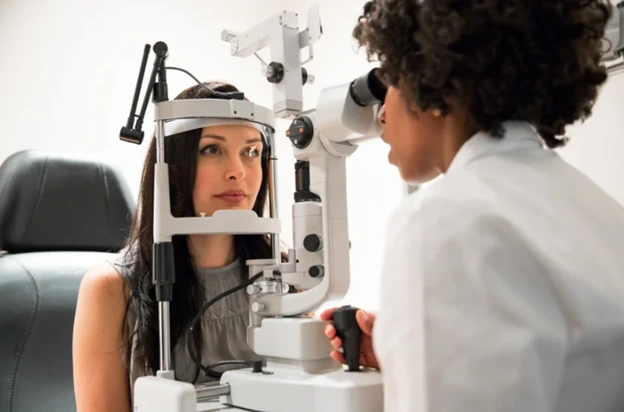
A comprehensive eye examination is essential for diagnosing Dry Eye Syndrome. Guidelines supported by organizations such as the National Eye Institute emphasize the importance of evaluating both tear quality and tear quantity when diagnosing dry eye disease.
Eye care professionals use several diagnostic tools, including tear breakup time testing, to evaluate tear production and the health of the ocular surface.
Slit-Lamp Examination
A slit-lamp microscope allows the eye doctor to closely examine the tear film and the surface of the eye. This helps identify areas of dryness or damage.
Schirmer’s Test
This test measures how many tears the eyes produce over a set period. A small paper strip is placed inside the lower eyelid to assess tear volume.
Tear Osmolarity Testing
Tear osmolarity testing measures the concentration of the tears. Higher concentrations often indicate an unstable tear film and dry eye disease.
Ocular Surface Staining
Special dyes, such as fluorescein or lissamine green, are used to highlight damage on the surface of the eye. These stains help determine the severity of Dry Eye Syndrome.

Treatment Options for Dry Eye Syndrome
Managing Dry Eye Syndrome usually requires a combination of treatments tailored to each individual. Treatment options may include:
Environmental Modifications
Making adjustments to the environment can significantly alleviate symptoms. Consider the following:
- Increase Humidity: Use a humidifier to add moisture to the air, especially in dry climates.
- Limit Screen Time: Take regular breaks when using digital devices to reduce eye strain and encourage blinking. Optometrists typically recommend a short 20 second screen-free break every 20 minutes.
- Protective Eyewear: Wearing wrap-around sunglasses can shield the eyes from wind and irritants.
Lubrication Therapy
Artificial tears are often the first step in treatment. These over-the-counter eye drops help supplement natural tears and provide temporary relief. Options include:
- Preserved vs. Unpreserved Drops: Preserved drops are convenient but may irritate sensitive eyes. Unpreserved drops are gentler and suitable for frequent use.
- Eye Ointments: These thicker lubricants can be applied at night to provide extended moisture.
Prescription Medications
If over-the-counter options are insufficient, healthcare providers may prescribe medications to enhance tear production or reduce inflammation. Common prescriptions include:
- Cyclosporine (Restasis): This medication helps increase tear production and reduce inflammation.
- Lifitegrast (Xiidra): This eye drop reduces inflammation and improves tear production.
Punctal Plugs
In some cases, punctal plugs may be recommended. These tiny silicone devices are inserted into the tear ducts to help retain tears on the eye’s surface.
Meibomian Gland Expression
If meibomian gland dysfunction is contributing to dry eye, your optometrist may recommend in-office therapies that warm the eyelids and help clear blocked glands, improving the oil layer of the tears. Some clinics also use light-based treatments, such as intense pulsed light therapy, for certain patients. These options can improve tear film stability and reduce symptoms over time.
Lifestyle Changes for Prevention
In addition to medical treatments, adopting certain lifestyle changes can help prevent Dry Eye Syndrome or reduce its severity. Consider the following tips:
Stay Hydrated
Drinking enough water throughout the day supports overall health and helps maintain tear production. Aim for adequate hydration throughout the day.
Practice Good Eye Hygiene
Regularly cleaning the eyelids and lashes can help prevent conditions like blepharitis, which can exacerbate dry eye symptoms. Use gentle eyelid cleaners or warm compresses to help reduce eye inflammation and maintain eyelid health.
Limit Exposure to Irritants
Avoid smoke, strong wind, and very dry environments when possible. If exposure is unavoidable, consider wearing protective eyewear to shield your eyes.
Adjust Screen Settings
When using digital devices, adjust the brightness and contrast to reduce eye strain. Consider using blue light filters to minimize discomfort during prolonged screen time.
Consider Omega-3s (Ask Your Optometrist First)
Some people find that omega-3 fatty acids (from diet or supplements) may help support the tear film’s oily layer, especially when meibomian gland dysfunction is part of the picture. Because results can vary and supplements aren’t right for everyone, ask your eye care professional what’s appropriate for you.
When to Seek Professional Help
While many cases of Dry Eye Syndrome can be managed with over-the-counter treatments, it is essential to consult an eye care professional if symptoms persist or worsen. Seek medical care if you experience:
- Ongoing discomfort or pain
- Increasing redness or swelling
- Changes in vision
- Symptoms that do not improve with standard treatments
Dedicated Dry Eye Treatment & Support in Ottawa
Dry Eye Syndrome is a common condition that can significantly affect daily comfort and quality of life. By understanding its causes, recognizing symptoms early, and exploring appropriate treatment options, many people can achieve lasting relief. Lifestyle adjustments and professional care play an important role in maintaining healthy eyes.
If you are experiencing persistent dry eye symptoms, booking a comprehensive eye exam at Rideau Optometric can help determine the cause and ensure appropriate care. Our optometrists can assess your eye health and recommend treatment options based on your individual needs.
Frequently Asked Questions About Dry Eye Syndrome
What causes Dry Eye Syndrome?
Dry Eye Syndrome can develop for several reasons. Common causes include reduced tear production due to aging or hormonal changes, increased tear evaporation caused by environmental factors like dry indoor air, wind, cigarette smoke, and prolonged computer screen use, as well as medical conditions such as Sjögren’s syndrome, rheumatoid arthritis, and thyroid disease. Eyelid conditions like blepharitis and meibomian gland dysfunction can also disrupt tear quality, causing tears to evaporate too quickly. Certain medications and contact lens use, especially wearing contact lenses for extended periods, may contribute to dryness in some individuals.
How can Dry Eye Syndrome be treated naturally?
Natural approaches focus on lifestyle and environmental changes that support tear health. These include staying well hydrated, limiting screen time and taking regular breaks to encourage blinking, using a humidifier to add moisture to the air, avoiding smoke and windy environments, and practicing good eyelid hygiene with gentle eyelid cleaners or warm compresses. While these measures may not replace medical treatment for everyone, they can help reduce symptoms and improve overall comfort.
How long does Dry Eye Syndrome last?
Dry Eye Syndrome can be temporary or long-term, depending on the underlying cause. Some people experience symptoms only during certain situations, such as prolonged screen use or exposure to dry environments, while others may have a chronic condition that requires ongoing management. With appropriate treatment and lifestyle adjustments, many individuals are able to control symptoms effectively over time.
What helps relieve Dry Eye Syndrome symptoms?
Relief often comes from a combination of treatments. Artificial tears can supplement natural tears and provide temporary comfort. Environmental modifications, such as increasing humidity and protecting the eyes from wind, can also help. In more persistent cases, prescription eye drops, punctal plugs to conserve tears, or in-office treatments for meibomian gland dysfunction may be recommended by an eye care professional to improve tear film stability and reduce symptoms.
Can Dry Eye Syndrome go away?
In some cases, dry eye symptoms may improve or resolve once contributing factors are addressed, such as reducing screen time, improving eyelid hygiene, or changing environmental conditions. However, Dry Eye Syndrome is often a chronic condition that requires ongoing care and management. Early diagnosis and appropriate treatment can significantly reduce symptoms and improve quality of life.
How can Dry Eye Syndrome be prevented?
While not all cases can be prevented, certain steps may help reduce the risk or severity of Dry Eye Syndrome. These include staying hydrated, taking regular breaks from digital devices, maintaining good eyelid hygiene, avoiding smoke and very dry environments, using a humidifier when needed, and wearing protective eyewear in windy conditions. Regular eye exams can also help identify early signs of dry eye and allow for timely intervention.
Where can I get dry eye treatment in Ottawa?
If you’re experiencing ongoing dry eye symptoms and need professional care in Ottawa, Rideau Optometric offers comprehensive eye exams and personalized dry eye treatment plans. You can visit any of our convenient Ottawa locations, including our clinics at Rideau Centre and St. Laurent Centre. Our optometrists assess tear quality and tear production to identify the underlying cause of dry eye and recommend tailored solutions such as artificial tears, prescription treatments, eyelid therapies, and in-office procedures to help improve comfort and support long-term eye health.
Leave A Comment
You must be logged in to post a comment.