
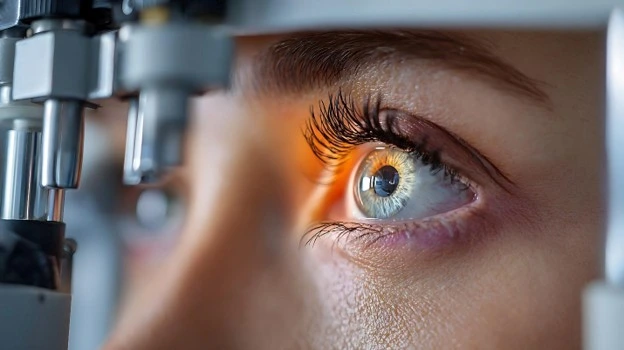
Most people experience sore eyes at some point. For some it is a passing irritation after a long day in front of a screen. For others it is a persistent eye discomfort that gets worse over time, accompanied by redness, blurred vision, or a feeling that something is stuck in the eye. Whatever you are experiencing, sore eyes are rarely something to simply push through without understanding what is behind them.
The causes of sore eyes range from minor, easily managed issues like dry eye and eye allergies to more serious conditions that require prompt attention from an eye doctor. In Ottawa, the good news is that your optometrist can assess, diagnose, and treat the majority of eye conditions that cause soreness directly, without needing to send you to a walk-in clinic or emergency room.
This guide walks you through the most common causes of sore eyes, what your specific symptoms might be signalling, when to book an appointment, and when to seek immediate medical attention.
What Are Sore Eyes?
Sore eyes is a broad term that describes any form of pain, irritation, or discomfort in or around the eyes. The sensation can take many forms: a gritty or scratchy feeling, a burning or stinging sensation, dull aching pressure, or sharp pain. It may affect one eye or both, and it is often accompanied by other symptoms such as redness, tearing, swelling, or sensitivity to light.
Eye irritation and eye soreness are not always a sign of something serious, but they are always worth paying attention to. The eyes are among the most sensitive and important organs in the body, and symptoms that seem minor can sometimes be the first sign of a condition that needs treatment before it progresses.

Common Symptoms That Accompany Sore Eyes
Sore eyes rarely appear in isolation. The symptoms that come alongside the soreness are often the most useful clues about what is causing the problem. Common symptoms to note include:
- Redness or red eye, where the white part of the eye appears inflamed or bloodshot
- A gritty sensation, like dust or something in your eye
- Burning or stinging, especially after screen use or in dry environments
- Watery or teary eyes, which is often the eye’s natural response to irritation
- Swelling of the eyelids or the area around the eye
- Sensitivity to light, ranging from mild discomfort to significant pain
- Discharge or crusting, particularly in the morning
- Blurred vision or worsening vision accompanying the discomfort
- A feeling of pressure inside the eye
If you notice blurred vision, worsening vision, or pressure inside the eye alongside your soreness, these combinations warrant a visit to your optometrist sooner rather than later.
Common Causes of Sore Eyes
Many eye conditions can cause soreness, and understanding the possible causes helps you figure out how urgent the situation is. Here are the most common ones.
1. Dry Eye Syndrome
Dry eye syndrome is one of the most frequent causes of sore eyes. It occurs when the eyes do not produce enough tears, or when the quality of tears is poor and they evaporate too quickly. This leaves the surface of the eye inadequately lubricated, leading to burning, grittiness, and general eye discomfort. Prolonged screen time, dry indoor air, aging, and certain medications can all contribute to or worsen dry eye. Treatment often includes eye drops, prescription eye drops such as cyclosporine, or in-office options available through your optometrist.
2. Eye Infections: Bacterial or Viral
Eye infections are a leading cause of sore, red, and uncomfortable eyes. The most common is conjunctivitis, known as pink eye, which can be caused by a bacterial or viral infection. Bacterial conjunctivitis typically causes a thick yellow or green discharge and tends to affect one eye first. Viral conjunctivitis usually causes watery, itchy, burning eyes and can affect both eyes. It is highly contagious and often accompanies a cold or respiratory illness.
The distinction between a bacterial or viral infection matters because the treatment is different. Bacterial infections may require the optometrist to prescribe antibiotics in the form of antibiotic eye drops or oral medication, while viral infections are managed differently and do not respond to antibiotics. Corneal infections, which affect the transparent front surface of the eye, are a more serious form of eye infection that requires prompt professional care to avoid lasting damage.
If you are unsure whether your eye infection will go away on its own, the safest course is to have your optometrist take a look.
3. Eye Allergies
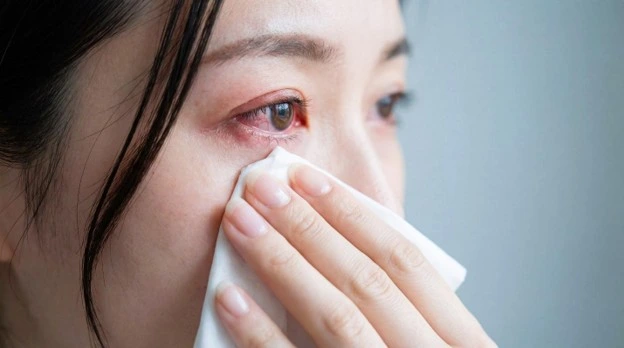
Eye allergies, also called allergic conjunctivitis, occur when the immune system reacts to airborne allergens such as pollen, dust, pet dander, or mold. The reaction causes the release of histamine in the eye tissues, leading to intense itching, redness, watery discharge, and significant eye discomfort. Unlike infection, allergic reactions typically affect both eyes simultaneously and do not produce thick discharge. Seasonal changes in Ottawa can make eye allergies particularly pronounced in spring and fall. Treatment options include antihistamine eye drops, prescription eye drops, and allergen avoidance strategies.
4. Digital Eye Strain
Spending extended hours looking at screens reduces your blink rate, which causes the tear film to break down faster and the eyes to dry out. The result is soreness, burning, tired eyes, and often headaches or neck tension. This is increasingly one of the most common causes of sore eyes in working-age adults. Our comprehensive guide to digital eye strain covers this in detail, including practical steps to reduce the impact of screen time on your eye health.
5. Contact Lens Complications
Contact lens wearers are more prone to sore eyes than those who wear glasses, and for several reasons. Wearing lenses for too long reduces oxygen flow to the cornea. Lenses that are not cleaned properly can harbour bacteria and debris. Using the wrong lens solution, wearing lenses past their replacement date, or sleeping in lenses that are not designed for overnight wear can all lead to corneal infections, corneal abrasions, and significant eye irritation. If you wear contact lenses and your eyes feel sore, removing the lenses and resting your eyes is always the first step. If symptoms persist after removal, see your optometrist promptly.

6. Blepharitis
Blepharitis is an inflammation of the eyelids, typically affecting the edges where the eyelashes grow. It causes red, swollen, sore eyelids with a crusty buildup at the lash line, and a gritty or burning sensation in the eyes. It is often caused by a bacterial overgrowth or a skin condition affecting the eyelids, and it can be a chronic condition that flares periodically. Management usually involves warm compresses, eyelid hygiene routines, and in some cases prescription treatment from your optometrist.
7. Stye and Chalazion
A stye is a painful, red bump on the edge of the eyelid that develops when a hair follicle or oil gland at the base of an eyelash becomes infected, usually by bacteria. It can make the entire eyelid feel sore and tender. A chalazion is similar in appearance but develops when an oil gland further back on the eyelid becomes blocked rather than infected. A chalazion is usually painless initially but can become sore if it grows large enough to press on the eye. Both conditions are common, and most resolve with warm compresses at home, though persistent or recurring cases should be evaluated by an optometrist.
8. Corneal Abrasions and Foreign Bodies
A corneal abrasion is a scratch on the cornea, the clear dome-shaped surface at the front of the eye. It is one of the more painful eye conditions and is often caused by a foreign object, such as dust, dirt, sand, a metal fragment, or even a fingernail or contact lens edge, making contact with the eye surface. The sensation of something in your eye, sharp pain, tearing, and light sensitivity are typical symptoms. Corneal abrasions are treated with antibiotic eye drops to prevent secondary infection and often heal within a few days with proper care. If you suspect a foreign body is embedded in the eye or if pain is severe, seek immediate medical attention.
9. Glaucoma
Glaucoma is a group of conditions that damage the optic nerve, usually due to increased eye pressure. Most forms of glaucoma develop slowly and silently, without causing eye pain in the early stages. However, acute angle-closure glaucoma is a medical emergency in which pressure inside the eye rises suddenly and dramatically. This causes severe eye pain, headache, nausea, and rapidly worsening vision. If you experience these symptoms together, seek immediate medical attention without delay.
10. Uveitis
Uveitis is inflammation inside the eye, affecting the uvea, which is the middle layer of the eye wall. It can cause a deeply aching, sore eye alongside light sensitivity, blurred vision, and redness. Uveitis can be triggered by an infection, an eye injury, or an autoimmune disease such as rheumatoid arthritis, lupus, or inflammatory bowel disease. It requires prompt diagnosis and treatment to prevent further complications, including vision loss. This is one of the conditions where understanding what illnesses can be seen in the eyes is genuinely important.
11. Optic Neuritis
Optic neuritis is inflammation of the optic nerve, the nerve that carries visual signals from the eye to the brain. It causes eye pain, particularly when moving the eyes, along with vision loss or blurred vision in the affected eye. It is often associated with multiple sclerosis or other autoimmune diseases and requires thorough investigation by a healthcare professional. If you experience sudden vision loss or eye pain with eye movement, this is a situation requiring immediate medical attention.
12. Environmental Irritants and Eye Makeup
Smoke, dust, chlorine, air pollution, and dry or windy weather can all cause eye irritation and soreness. These environmental irritants are especially relevant in urban settings and during Ottawa’s dry winters. Eye makeup is another commonly overlooked source of eye irritation and infection. Old or contaminated makeup, products applied too close to the lash line, or forgetting to remove makeup before bed can all introduce bacteria into the eye or block oil glands in the eyelids.
13. Sinusitis
Sinusitis, an infection or inflammation of the sinus cavities, can cause pressure that radiates around and behind the eyes, creating a dull, aching eye soreness. The eyes themselves are not directly affected, but the proximity of the sinuses to the eye socket means that sinus pressure is frequently mistaken for an eye problem. If your eye soreness accompanies facial pressure, nasal congestion, or a recent cold or respiratory illness, sinusitis may be the underlying cause.

What Your Eye Pain Might Be Telling You
The type of pain or discomfort you are experiencing can provide useful clues before you see your optometrist. Use this as a general guide rather than a self-diagnosis tool.
Sharp or stabbing pain often suggests something on the surface of the eye, such as a foreign body, corneal abrasion, or corneal infection. Avoid rubbing the eye and seek professional care.
Burning or stinging is most commonly associated with dry eye, eye allergies, or mild irritation from environmental triggers. It can also accompany infections, so monitor for other symptoms.
Dull, aching pain or pressure inside the eye may point to increased eye pressure, uveitis, or optic neuritis. These causes are more serious and should not be left unassessed.
Severe eye pain, especially with nausea, headache, or sudden vision changes, can signal acute angle-closure glaucoma or another emergency. This requires immediate medical attention.
Throbbing pain linked to headaches is sometimes related to migraines rather than an eye condition specifically, though a thorough eye exam can help rule out an ocular cause.

When to See an Optometrist for Sore Eyes
Most cases of sore eyes benefit from a professional assessment. You should schedule an eye exam in Ottawa with your optometrist if:
- Soreness has lasted more than two days without improvement
- Over-the-counter artificial tears or remedies have not provided relief
- You wear contact lenses and are experiencing persistent eye discomfort
- You have recurring episodes of sore eyes that keep coming back
- Your symptoms are affecting your daily activities or sleep
During your appointment, your optometrist will take a detailed medical history, examine the front and back of your eye, assess your tear film and eyelid health, and determine whether lubricants, prescription medication (topical or oral), medical procedures, or other treatment is needed. In Ontario, your optometrist can prescribe a full range of topical and oral medications for eye conditions directly, without requiring a referral to a physician first.
Seek Urgent or Same-Day Care
Some symptoms should not wait for a routine appointment. Contact Rideau Optometric for same-day or urgent care if you notice:
- Sudden or worsening vision, or any degree of vision loss
- Blurred vision that comes on quickly and does not clear
- A significant foreign body in the eye that you cannot remove
- Discharge that is thick, coloured, or accompanied by significant swelling
- Eye pain after a chemical splash or physical eye injury
- Sore eyes following eye surgery or a procedure
For guidance on identifying which symptoms require faster attention, our page on what eye symptoms are serious is a helpful reference.
Seek Immediate Medical Attention
Go to an emergency department immediately if you experience:
- Severe eye pain alongside nausea, vomiting, or a severe headache
- Sudden complete or partial vision loss in one or both eyes
- A chemical splash directly into the eye. Rinse immediately with water and call Poison Control for help
- A penetrating eye injury from a sharp object or projectile
- Signs of orbital cellulitis, including a very swollen, painful eyelid with fever and difficulty moving the eye
These are genuine emergencies where delay can result in permanent vision loss.
How Optometrists Treat Sore Eyes
Once your optometrist has examined your eyes and taken your medical history, treatment will be tailored to the underlying cause. Common treatment approaches include:
Prescription eye drops: Anti-inflammatory, antibiotic, or antiviral eye drops are among the most frequently prescribed treatments for conditions ranging from conjunctivitis to corneal infections to uveitis. In Ontario, your optometrist can prescribe an extensive range of therapeutic eye drops appropriate to your condition.
Oral medications: For more serious bacterial or viral infections, or for conditions affecting the eyelids, oral antibiotics or antiviral medications may be prescribed alongside or instead of topical treatment.
Dry eye management: This may involve prescription cyclosporine drops, in-office procedures to support oil gland function, or structured guidance on artificial tear use and lifestyle changes.
Removal of foreign bodies: Your optometrist can safely remove superficial foreign bodies from the eye surface, which should never be attempted at home with sharp instruments.
Referral when needed: For conditions such as optic neuritis, acute glaucoma, or anything requiring surgery, your optometrist will coordinate a prompt referral to the appropriate specialist.
Leave A Comment
You must be logged in to post a comment.